Skip to content
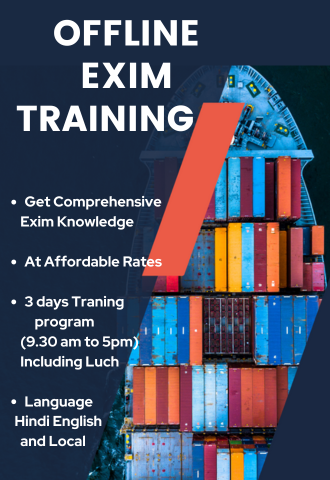
OFFLINE EXIM TRAINING
- Export-Import Fundamentals and Procedures
- Introduction to Global Trade:
- Basics of international trade, key terms, and trade practices.
- Overview of global markets and their impact on export-import activities.
- Regulatory Compliance:
- Essential regulations and compliance requirements for exporting and importing.
- Detailed guidance on trade agreements, tariffs, and international standards.
- Documentation and Customs Procedures:
- Comprehensive training on preparing and managing crucial export-import documents.
- Understanding customs procedures, clearance processes, and documentation requirements.
- Logistics, Supply Chain, and Shipping Management
- Logistics and Freight Management:
- Strategies for managing logistics, selecting freight forwarders, and coordinating shipments.
- Best practices for shipping, tracking, and handling international cargo.
- Supply Chain Optimization:
- Techniques for improving supply chain efficiency, including inventory management and warehousing.
- Effective planning and coordination to reduce costs and enhance operational performance.
- Handling Shipping Issues:
- Addressing common shipping challenges such as delays, damage, and losses.
- Implementing solutions and contingency plans to manage logistics-related issues.
- Trade Finance, Risk Management, and Market Strategies
- Trade Finance Instruments:
- Overview of financial instruments such as letters of credit, trade credit insurance, and payment terms.
- Using trade finance to manage cash flow and mitigate financial risks.
- Risk Management:
- Identifying and managing risks related to currency fluctuations, political instability, and other factors.
- Developing risk mitigation strategies and contingency plans.
- Market Entry and Development:
- Strategies for entering new markets and developing international business opportunities.
- Market research techniques, partner identification, and trade expansion planning.
- E-Commerce Export Assistance Service
- Market Strategy Formulation:
- Market Analysis:
- Conducting detailed analysis to identify target markets and understand consumer behavior.
- Developing strategies for market entry and growth based on research findings.
- Sales and Marketing Plans:
- Creating targeted marketing campaigns to drive international sales.
- Developing sales strategies to attract and retain customers in various regions.
- Optimization Strategies:
- Identifying areas for improvement based on performance data.
- Implementing optimization strategies to enhance overall e-commerce effectiveness.
- Overseas Export Support Service
- Market Entry and Expansion Support
- Market Research and Analysis:
- Conducting in-depth research to identify potential overseas markets and assess their viability.
- Analysis of market trends, consumer preferences, and competitive landscape.
- Local Partner Identification:
- Assistance in finding and establishing relationships with local distributors, agents, and partners.
- Support in negotiating terms and managing partnerships to facilitate market entry.
- Regulatory and Compliance Guidance:
- Advising on local import-export regulations, compliance requirements, and trade agreements.
- Assistance in obtaining necessary licenses, permits, and certifications for export activities.
- Documentation and Compliance Assistance
- Documentation Preparation:
- Help with preparing and managing essential export documentation, such as commercial invoices, bills of lading, and certificates of origin.
- Ensuring accuracy and completeness of documents to meet regulatory requirements.
- Customs and Regulatory Compliance:
- Guidance on customs procedures and compliance with international trade regulations.
- Assistance in addressing any customs issues or delays to ensure smooth cross-border transactions.
- Risk Management:
- Support in identifying and mitigating risks associated with international trade, including political, economic, and financial risks.
- Logistics and Supply Chain Management
- Shipping and Freight Coordination:
- Assistance in selecting and coordinating with freight forwarders and shipping companies for efficient international logistics.
- Support in managing shipping schedules, tracking, and handling of goods.
- Supply Chain Optimization:
- Recommendations for optimizing the supply chain to improve efficiency and reduce costs.
- Strategies for managing inventory, warehousing, and distribution in overseas markets.
- Problem Resolution:
- Support in resolving logistics issues, such as delays or damage during transit.
- Assistance in addressing any supply chain disruptions or challenges.